




Cross-Border Freight Management Explained: A Guide for Singapore Businesses
If you regularly move goods for your business between Singapore and Malaysia, you will have realised that there is a lot more to moving cargo than just organising transport. Cross-border freight management involves planning, coordination, tracking and completion of shipments to meet customs requirements, delivery schedules and regulatory standards of both countries. This includes everything from the preparation of the shipping documents, the selection of the appropriate mode of transport, to the handling of border clearance and final delivery. Learning the process enables businesses to build a more reliable supply chain for long-term growth, control logistics costs and reduce delays.

What Is Cross-Border Freight Management?
Many people think cross-border shipping starts when a truck leaves the warehouse. In reality, most of the work happens before the vehicle is even loaded.
Cross-border goods management is the coordination of all aspects of the movement of goods across national borders. This means moving cargo efficiently while ensuring compliance with customs procedures, documentation requirements and transport regulations for businesses shipping between Singapore and Malaysia.
The goal is simple: deliver goods safely, on time, and without unnecessary disruptions.
Why It Matters for Singapore Businesses
Singapore and Malaysia enjoy one of the busiest trading relationships in Southeast Asia. Every day, thousands of commercial vehicles travel between the two countries, hauling products for retailers, manufacturers, wholesalers and distributors.
When goods management is handled properly, businesses obtain:
- Improved delivery reliability
- Fewer customs delays
- Reduced transportation costs
- Better inventory planning
- Higher Customer Satisfaction
If not planned properly, a small mistake can slow down an entire shipment.
Understanding the Cross-Border Process
Although every shipment is different, the overall process usually follows the same sequence.
| Stage | What Happens |
|---|---|
| Booking | Shipment details are confirmed |
| Documentation | Commercial invoices and shipping documents are prepared |
| Pickup | Cargo is collected from the sender |
| Customs Clearance | Goods are processed by customs authorities |
| Transportation | Cargo travels across the Singapore–Malaysia border |
| Final Delivery | Shipment reaches the customer's destination |
“Good coordination and proper information are needed at every step.”
Customs Documentation: Why Accuracy Matters

One of the biggest reasons shipments get delayed is incomplete or incorrect paperwork.
For most commercial shipments, businesses may need documents such as:
- Commercial invoice
- Packing list
- Delivery order
- Import or export permits (when required)
- Customs declarations
Even something as minor as an incorrect product description can create unnecessary delays.
Preparing documents carefully before dispatch usually saves far more time than trying to correct mistakes after a shipment reaches the checkpoint.
Transit Timelines: What Businesses Should Expect
One question customers ask frequently is, "How long will delivery take?"
To be honest, there are quite a few factors that affect transit times.
Some of them are:
- Travel across the border
- Border Controls
- Events & Holidays
- The weather
- What kind of load
Many Singapore-to-Malaysia deliveries are fast, but companies should always budget for some extra time when sending important packages.
Realistic deadlines prevent customers and suppliers from getting too stressed.
Common Challenges Along the Singapore–Malaysia Corridor
The Singapore– Malaysia route is efficient, but there are still some hurdles.
More common problems are:
- Documentation Errors: Still, one of the major causes of shipment delays is missing or incorrect documentation.
- Heavy Border Traffic: Border crossing times may increase during peak travel times.
- Schedule Changes at the Last Minute: Sometimes, logistics plans have to be changed on the fly due to unforeseen customer demands or production delays.
- Gaps in Communication: Shipment information not clearly communicated to all parties involved can lead to misunderstandings.
This type of situation happens during day-to-day logistics operations, which is why planning ahead is important.
Practical Tips for Smoother Cross-Border Shipping
Businesses don’t need to completely change their operations to improve their freight performance. Even small improvements can have the biggest impact.
For instance:
- Get shipping documents ready before pickup day.
- Confirm precise dimensions of cargo.
- Label every shipment.
- Book transport well in advance for busy periods.
- Maintain contact with suppliers, warehouses and customers.
These practices help to reduce delays and improve overall shipment reliability.
Why Choosing the Right Logistics Partner Matters
Managing international shipments requires local knowledge, operational experience, and strong coordination.
A logistics partner should understand:
- customs requirements
- transport regulations
- delivery planning
- documentation procedures
- border operations
A dependable cargo delivery service does more than transport goods. It helps businesses solve problems before they affect delivery schedules.
This becomes even more valuable for companies handling regular SG Malaysia freight movements.
Technology Is Making Freight Management Easier
The logistics industry has evolved quite a bit in the last few years.
Today, businesses can take advantage of:
- Digital booking systems
- GPS tracking of shipments
- Electronic Document
- Automated deliveries Notifications
- Route planning software
These upgrades allow businesses to have better visibility over their shipments and simplify communication dramatically. Technology cannot eliminate all delays, but it does help to reduce uncertainty.
Conclusion
Successful freight movement is rarely the result of luck. It requires good planning, the right paperwork, good communication and a logistics process that always works the same way from start to finish. With the basics of cross-border freight management, a company can more easily adjust to changing customer needs and keep its supply chains running smoothly.
Evermarch Logistics is assisting businesses in shipping cargo between Singapore and Malaysia. We have been in the field for years and provide a dependable cargo delivery service. Whether you’re responsible for day-to-day SG Malaysia freight or looking to grow your regional business, our team is dedicated to the reliable transportation, seamless coordination and confidence that your cargo is in experienced hands.
Frequently Asked Questions
1. What is cross-border freight management?
It is the planning and coordination involved in moving goods between countries while managing transportation, customs clearance, documentation, and delivery.
2. What documents are usually required for Singapore–Malaysia shipments?
Common documents include commercial invoices, packing lists, customs declarations, and any permits required for specific products.
3. What causes delays at the Singapore–Malaysia border?
Delays may occur because of incomplete paperwork, customs inspections, heavy traffic, or unexpected operational issues.
4. How can businesses improve cross-border deliveries?
Planning shipments early, preparing accurate documentation, and working with experienced logistics providers can help minimise delays.
5. Why is freight management important?
Good freight management improves delivery reliability, reduces costs, supports better inventory planning, and creates a smoother customer experience.
Our Services
Testimonials
"We have made the right decision choice and are highly appreciate the dedicated efforts and services in doing well for our Company."
Thank You!
O S K METAL (S) PTE LTD
Do you know?
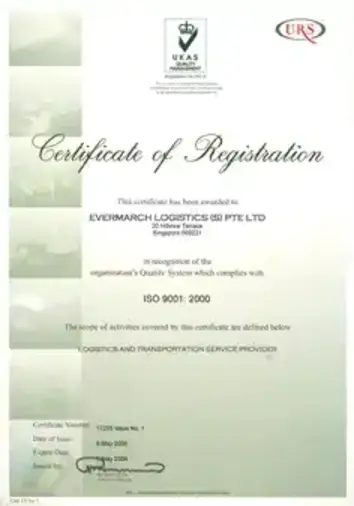
ISO 9001 Certified
Copyright © 2026 Evermarch Logistics (S) Pte Ltd. All rights reserved.
- SEM - SEO by iClick Media. Sitemap